Vodenjak bay

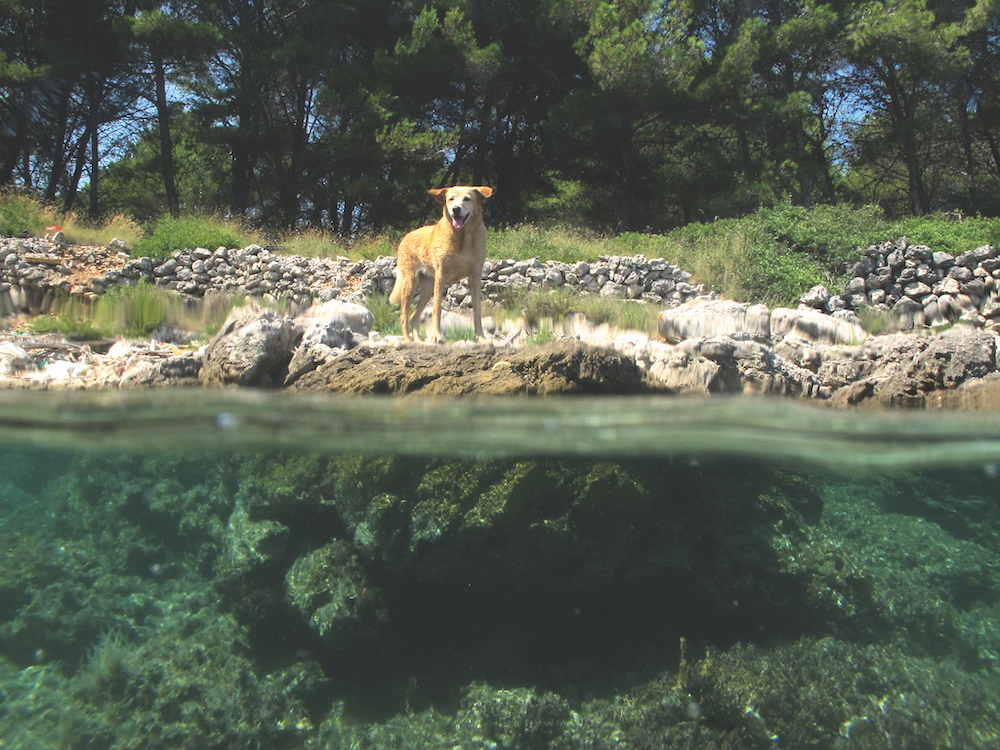
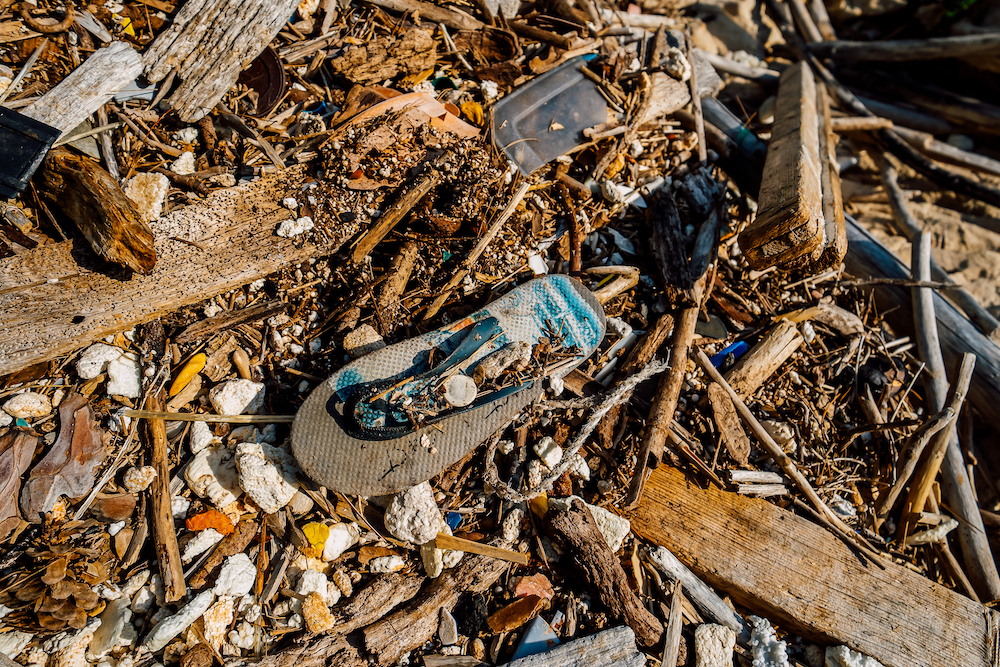
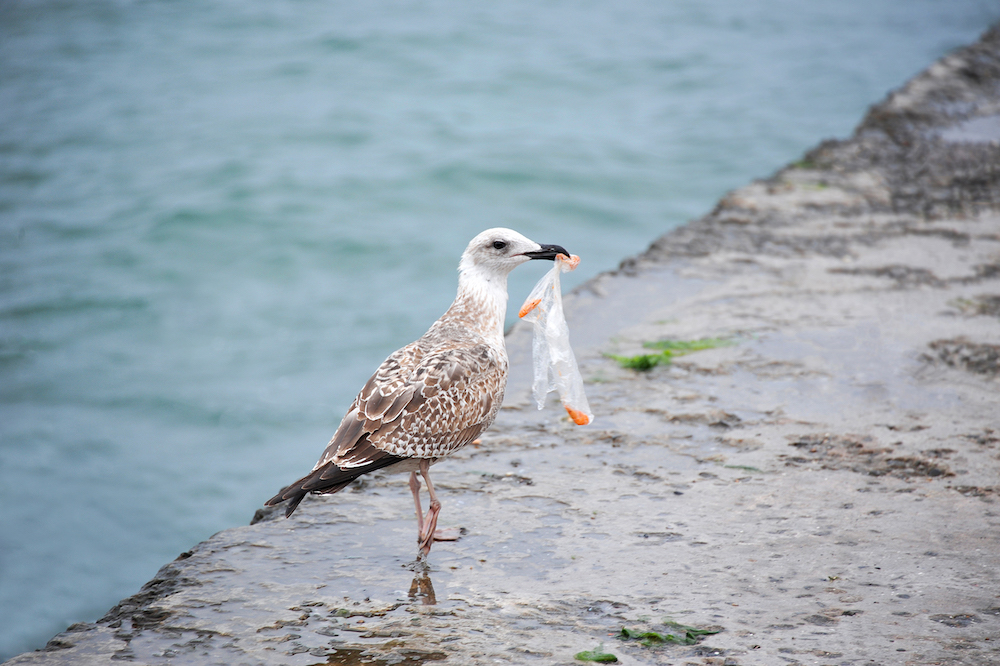
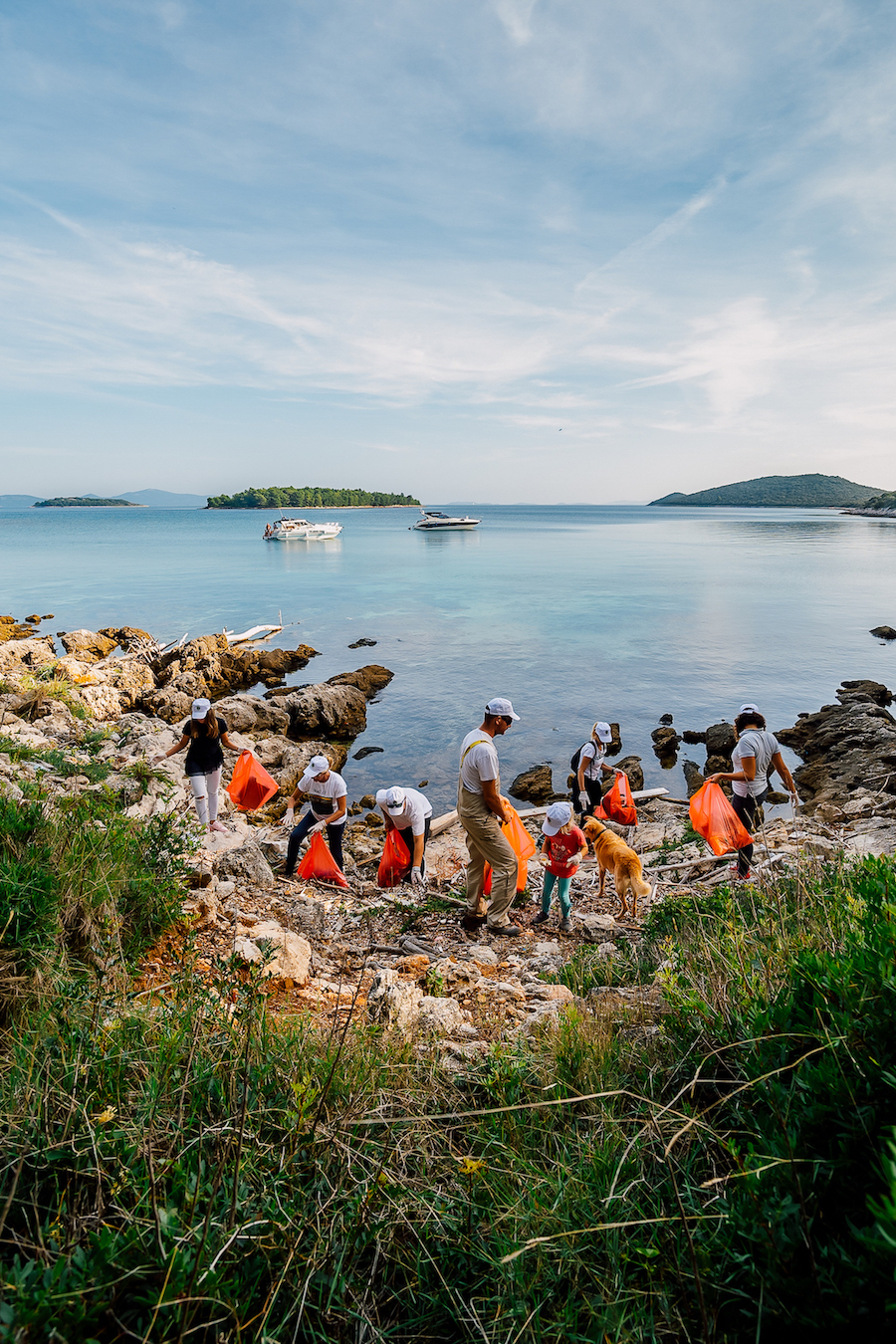
The problem of marine waste cannot be solved only within the borders of a single state. Coordinated activities are needed from a number of countries. It requires educating people, spreading of information on this issue, and demanding that government regulates both waste management and the production and use of plastics. The situation in the bay of Vodenjak is no different. Sea currents are constantly bringing new waste into the bay where part of the waste ends up at the bottom, and part of it is washed up on the coast. Before every season, we organize clean-ups. However, we never manage to clean the whole bay, and the sea constantly washes up new waste. Although the bay is beautiful, the waste greatly impairs its natural beauty.

The Clean Anchorage Program was born out of the desire to finally clean the bay and show our guests the extent of the problem. With your help, we are more likely to reach the goal of a clean anchorage.

Vodenjak

Problem morskog otpada ne može se riješiti samo unutar granica jedne države. Potrebne su koordinirane aktivnosti niza zemalja. To zahtijeva edukaciju ljudi, širenje informacija o ovom problemu i pritiska na vladajuće da reguliraju upravljanje otpadom, kao i proizvodnju i upotrebu plastike.

Situacija u uvali Vodenjak nije drugačija. Morske struje stalno dovode novi otpad u zaljev gdje dio otpada završava na dnu, a dio more izbaci na obalu. Prije svake sezone organiziramo čišćenje. Međutim, nikad ne uspijemo očistiti cijelu uvalu, a more stalno nanosi novi otpad. Iako je zaljev lijep, otpad jako narušava njegovu prirodnu ljepotu. 

Clean Anchorage Program (Program čistog sidrišta) nastao je iz želje da konačno očistimo zaljev i ukažemo našim gostima opseg problema morskog otpada. Uz vašu pomoć imamo veće mogućnosti postizanja cilja čistog sidrišta.

Flora i fauna

Veći komadi plastičnog otpada, poput boca i vreća, ali i plutajući pontoni mogu prenijeti vrste u nova staništa koja im nisu prirodna. Ti organizmi tada postaju invazivne vrste i mogu nanijeti veliku štetu novim ekosustavima. Šteta koju plastika uzrokuje odnosi se i na organizme koji su ekonomski važni za ljude, pa slijedi da morski otpad predstavlja izravnu prijetnju i za nas. Negativnim utjecajem na obale i more se onemogućavaju usluge koje ovi ekosustavi pružaju ljudima. To uključuje turizam i rekreaciju, ribarstvo i akvakulturu, pomorski promet i plovidbu, ali i pojedince i lokalne zajednice. Procjenjuje se da se globalno godišnje zbog otpada u moru gubi 8 milijardi dolara u gore navedenim sektorima.

Flora and fauna

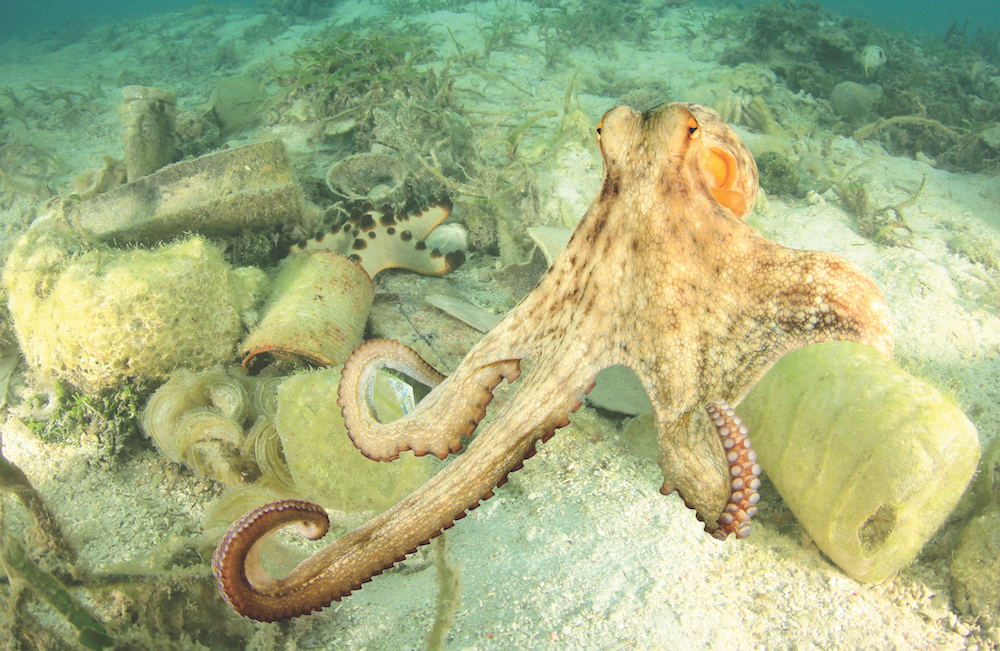
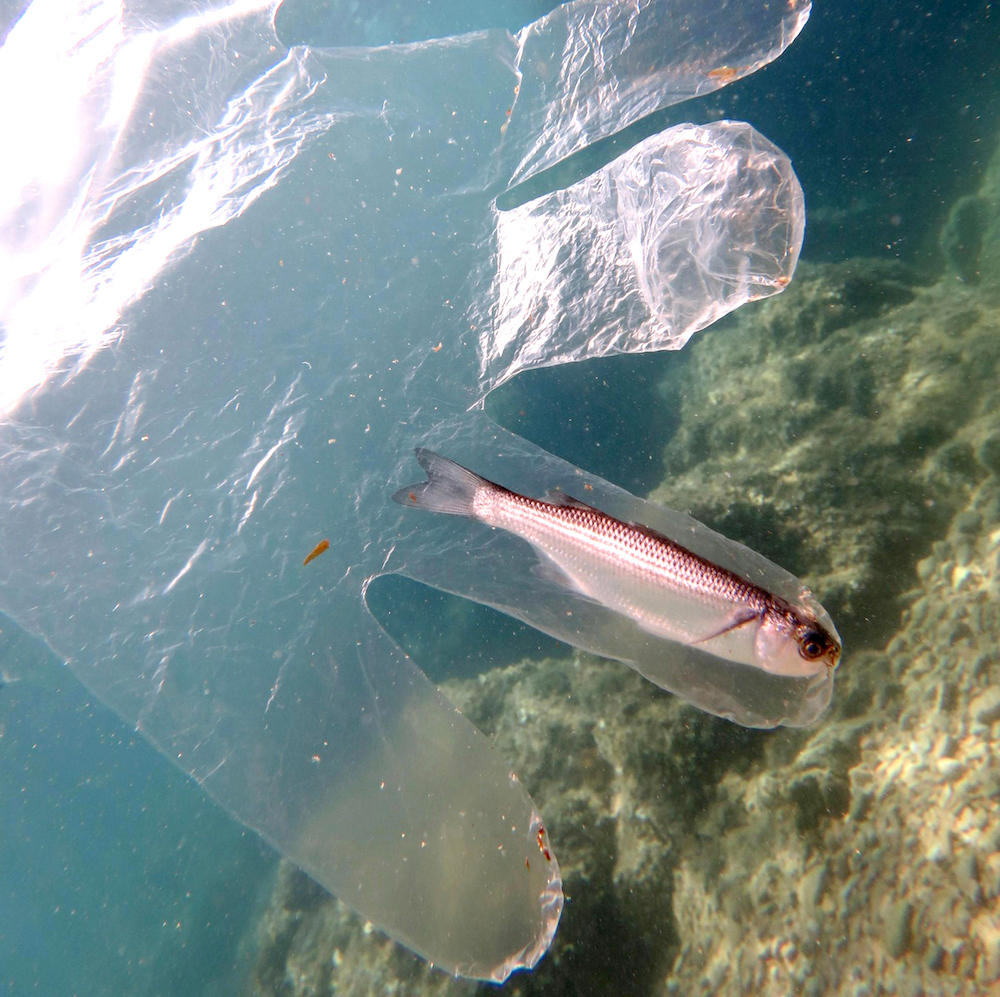
Larger pieces of plastic waste such as bottles and bags, but also floating pontoons can transfer species to new habitats that are not natural to them. These organisms then become invasive species and can do great damage to the new ecosystems. Damage caused by plastics also applies to organisms that are economically important to humans, so it follows that marine waste is a direct threat to us as well. The negative impact on the coasts and the sea impedes the services these ecosystems provide to humans. That includes tourism and recreation, fisheries and aquaculture, maritime transport and navigation, but also on individuals and local communities. It is estimated that globally, due to offshore waste, $8 billion is lost annually in the above sectors.

The impact of waste

Plastic in the sea decays over time into smaller and smaller pieces that organisms mistake for small pieces of food. It can damage the digestive system and also lead to biomagnification of toxic substances. Plastics contain certain toxic substances by themselves, but also accumulate other toxins over time. By ingesting the plastics, toxic substances end up in the tissues of organisms.

Utjecaj otpada

Plastika se u moru s vremenom raspada na sve sitnije i sitnije komadiće koje manji organizmi lako progutaju jer ih zamijene za sitne komadiće hrane. Osim što ovo predstavlja opasnost jer daje lažan osjećaj sitosti organizmima, može oštetiti probavni sustav, ali i dolazi do biomagnifikacije otrovnih tvari. Naime, plastika u sebi sadrži određene otrovne tvari, osim toga određene otrovne tvari mogu se nakupiti na plastičnim česticama tijekom vremena i gutanjem završiti u tkivima organizama.